FR
FR NL
NL EN
EN ES
ES PT
PT
The recent article “Alterations in the Nervous System and Gut Microbiota after β-Hemolytic Streptococcus Group A Infection — Characteristics and Diagnostic Criteria of PANDAS Recognition” explores how infections with Group A Streptococcus can trigger sudden neuropsychiatric symptoms in children, leading to conditions known as PANDAS and PANS. It highlights the role of the immune system, changes in the brain and gut microbiota, and summarizes the clinical criteria used to recognize these syndromes, providing important insights for both clinicians and laboratory professionals.
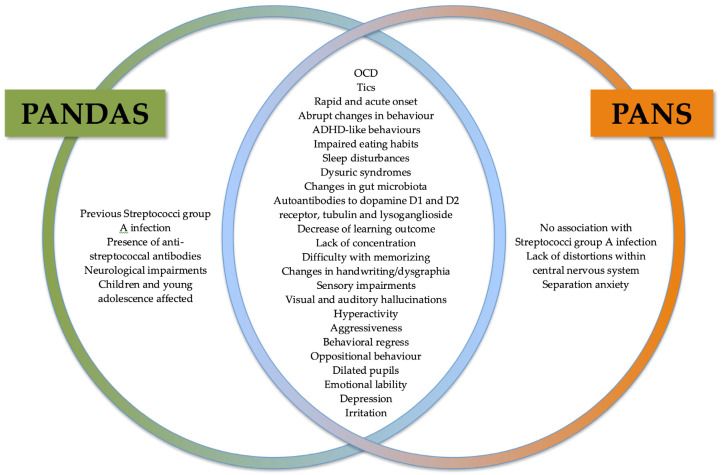
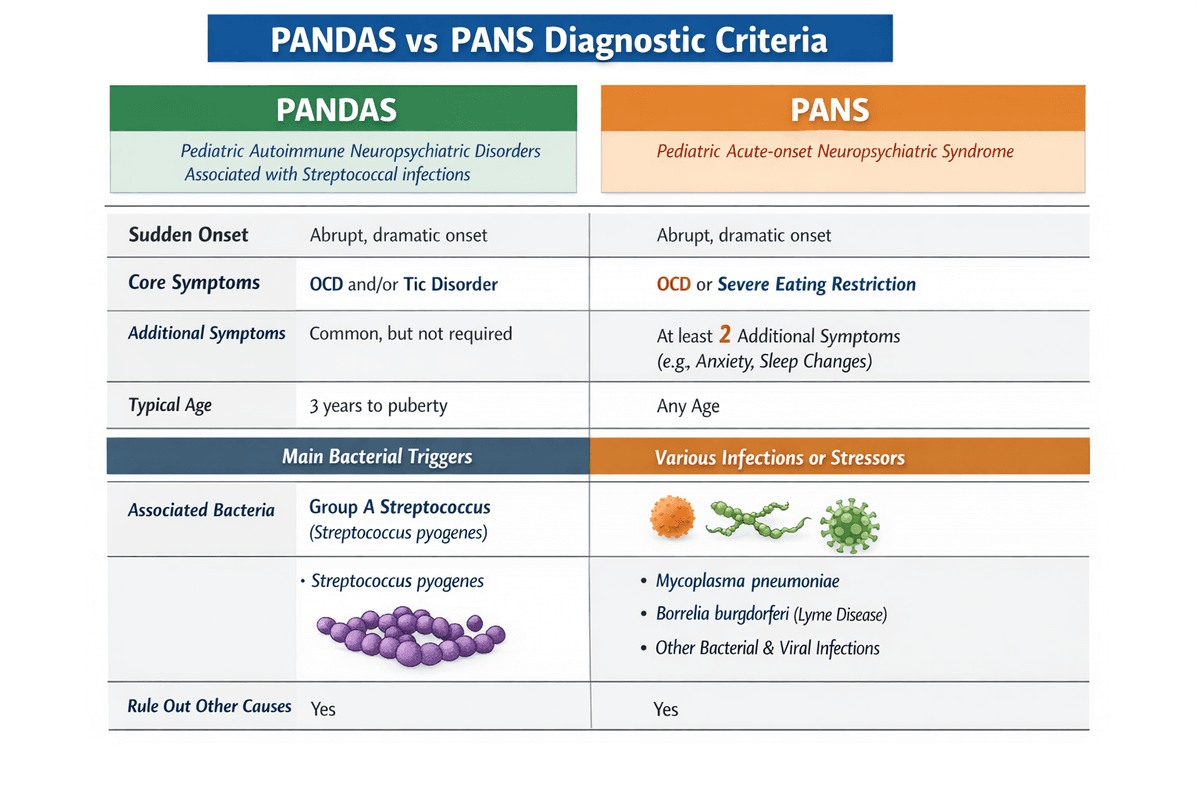
PANDAS (Pediatric Autoimmune Neuropsychiatric Disorders Associated with Streptococcal infections) and PANS (Pediatric Acute-onset Neuropsychiatric Syndrome) are pediatric conditions characterized by the sudden onset of severe neuropsychiatric symptoms. In PANDAS, symptoms appear abruptly following an infection with Group A Streptococcus (the bacteria responsible for strep throat). The article explains that in some children, the immune system may produce antibodies that mistakenly target parts of the brain particularly the basal ganglia, which regulate movement, behavior, and emotions. This autoimmune reaction can lead to dramatic behavioral changes within days. PANS is a broader term describing similar sudden-onset symptoms but triggered by various infections or inflammatory factors, not only strep.
The main clinical features include sudden obsessive-compulsive symptoms (OCD), motor or vocal tics, intense anxiety, emotional instability, sleep disturbances, urinary frequency, regression in behavior, and a noticeable decline in school performance. Diagnosis is clinical, based on the abrupt symptom onset and medical history, supported by evidence of recent infection in suspected PANDAS cases. Management involves treating any active infection, providing psychological support such as cognitive behavioral therapy for OCD and anxiety, and, in more severe cases, considering anti-inflammatory or immunomodulatory therapies under specialist supervision. Early recognition and a multidisciplinary approach are essential to improving outcomes and reducing long-term impact on the child’s development.